A cedar fence in the Chicago area runs about $18.50 to $46.50 per linear foot installed, which works out to $3,700 to $9,300 for a typical 200-foot residential run and an average near $6,500, per Angi's 2026 cedar fence cost data. HomeGuide puts a cedar privacy fence at $35 to $40 per linear foot installed and a cedar picket or split-rail fence at $25 to $35. Height, style, gates, and whether an old fence has to come out first are what move a project inside that range.
Those national ranges are a fair starting point, but a fence in Skokie, Evanston, or the North Shore also answers to a 42-inch frost line, heavy clay soil, alley-facing lots, and village rules that change block by block. Below is a plain-English breakdown of what a cedar fence installation actually costs here, using published 2026 figures from Angi and HomeGuide, plus the local conditions that decide where in the range a quote lands.
Per Linear Foot: Materials, Labor and the Installed Range
Almost every fence quote is built from a per-linear-foot number, so that is the figure to anchor on. The ranges below are published 2026 market data, not a quote for your property.
| Line item | Cost per linear foot | Source |
|---|---|---|
| Cedar materials only | $8.50 to $16.50 | Angi |
| Labor only | $10 to $30 | Angi |
| Cedar, installed (all in) | $18.50 to $46.50 | Angi |
| Wood fence, installed (any species) | $20 to $50 | HomeGuide |
| Cedar privacy fence, installed | $35 to $40 | HomeGuide |
| Cedar picket or split rail, installed | $25 to $35 | HomeGuide |
| Western red cedar privacy, installed | $45 to $90 | HomeGuide |

Why the two sources do not line up exactly
Angi's number spans every cedar style, from a three-rail split rail to an eight-foot privacy wall, which is why the top of its range is so high. HomeGuide breaks the same market into narrower buckets, so its cedar privacy figure of $35 to $40 sits neatly inside Angi's wider $18.50 to $46.50. On a residential job the installed number is the one that matters, since materials and labor are not billed separately.
Grade matters more than most homeowners expect
HomeGuide separates plain cedar from Western red cedar and prices the gap clearly: a Western red cedar privacy fence with high-quality grade boards without knots runs $45 to $90 per linear foot installed, against $35 to $40 for standard cedar. The same source puts the service life of plain white cedar at 15 to 20 years and Western red cedar at 25 years or more. That is the real trade in cedar: you are buying knot-free boards and extra years, not a different-looking fence on day one.
Total project cost by length
| Fence length | Installed cedar cost | Source |
|---|---|---|
| 100 linear feet | $1,850 to $4,700 | Angi |
| 200 linear feet (typical backyard) | $3,700 to $9,300 | Angi |
| 420 linear feet | $7,800 to $19,500 | Angi |
| 590 linear feet | $10,900 to $27,400 | Angi |
HomeGuide's wood fence table tracks the same shape at $4,000 to $10,000 for 200 linear feet and $10,000 to $25,000 for 500 linear feet, for picket and privacy fences up to six feet tall. Measure your perimeter first: length is the biggest single driver of the bill.
How Height Changes the Price: 4, 5 and 6 Feet
Height is the second lever, and it works on both sides of the quote at once. Taller boards cost more per board, and a taller fence needs beefier posts set the same depth, so labor rises with it.
| Height | What it is usually used for | Installed cost per linear foot | Source |
|---|---|---|---|
| 3 to 5 feet | Picket fence, front and side yards | $20 to $40 | HomeGuide |
| 6 feet | Standard backyard privacy fence | $25 to $50 | HomeGuide |
| 8 feet | Maximum privacy, where zoning allows | $50 to $75 | HomeGuide |
Angi describes the same effect inside its cedar privacy range: four-foot fences sit at the low end of its $10 to $16.50 per linear foot material band and eight-foot fences at the high end. A five-foot fence, common where a village caps a front or corner-side run below six feet, prices between the four-foot and six-foot figures rather than at a published number of its own.
One cost cliff worth knowing about: fence boards are milled in six-foot and eight-foot lengths, and HomeGuide notes that having boards cut to a non-standard 10 feet adds 20 to 30 percent because the lumberyard charges a premium for custom cutting. If you are chasing extra height, going from six feet to eight is far cheaper per foot than going to an odd height in between.
Style Changes the Board Count: Picket, Dog-Ear, Board-on-Board, Shadowbox, Horizontal
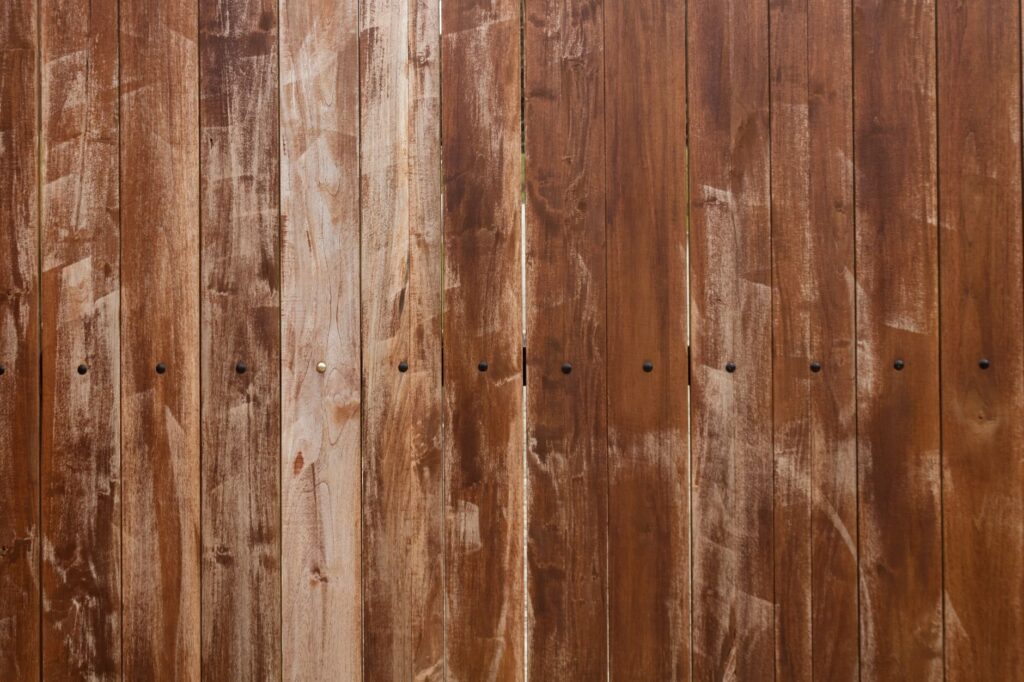
Style is really a question of how many boards per foot the design uses, and that is where cedar prices separate. Angi publishes cedar material costs by style:
| Cedar style | Material cost per linear foot | Source |
|---|---|---|
| Single boards | $8.50 to $9.25 | Angi |
| Split rail | $8.50 to $13.50 | Angi |
| Picket | $9 to $16.25 | Angi |
| Privacy | $10 to $16.50 | Angi |
Here is how the common Chicago-area styles map onto those numbers:
- Picket. Boards spaced apart, usually three to four feet tall, with pointed or flat tops. The lowest board count of any solid-looking style, and the reason picket work sits at the bottom of the cedar range.
- Dog-ear privacy. The standard six-foot backyard fence, boards butted edge to edge with the top corners clipped. Angi's privacy material band of $10 to $16.50 per linear foot covers this, and HomeGuide's installed figure of $25 to $50 for a six-foot privacy fence is the practical number.
- Board-on-board. A second layer of boards overlapping the gaps of the first. It uses noticeably more cedar than a single-layer fence, so expect it near the top of the privacy range. In exchange, you get no gaps at all, even after the boards dry and shrink slightly, which single-layer fences cannot promise.
- Shadowbox. Boards alternate on either side of the rails. HomeGuide describes it as one of the few privacy fences that still allows airflow, which matters on a windy corner lot. Board count lands between dog-ear and board-on-board.
- Horizontal. The same boards run sideways, which demands straighter, better-graded stock and more posts to stop mid-span sag. It is a style premium rather than a published line item and usually prices with board-on-board.
Cedar handles all of these well. It is dense enough to resist warping and resists decay, rot, and insects such as termites without pressure treatment, which is why it stays the default wood on Chicago-area residential jobs.
Gates, Posts and the Chicago Frost Line
Two line items separate a fence that lasts from one that does not, and both get quoted separately.
Gates
A gate is the hardest-working part of any fence and is priced on its own. HomeGuide puts a typical gate at $150 to $500 installed. Angi's cedar figures run higher, at $900 to $3,800, reflecting wide drive gates and custom cedar gates rather than a single three-foot walk gate. Have gates broken out line by line, since a drive gate and a walk gate are different work.
Post depth and the 42-inch frost line
This is the single biggest difference between a national cost guide and a Chicago-area quote. The Chicago Building Code requires that foundations and other permanent supports of buildings and structures be protected from frost by extending at least 42 inches below final grade. HomeGuide, writing for a national audience, prices cement anchoring at two feet deep as the upgrade option. Two feet is not enough here. Water in clay soil expands as it freezes, and a post whose concrete stops above the frost line gets pushed up a little every winter until the fence line goes crooked.
When you compare bids, ask every contractor what depth they set posts to. A quote that is noticeably cheaper per foot than the rest is often cheaper because the holes are shallower.
Old Fence Removal, Staining and Sealing
Most Chicago-area cedar jobs are replacements, not first fences, so removal is usually on the invoice.
| Add-on | Published cost | Source |
|---|---|---|
| Remove and dispose of an old fence | $3 to $7 per linear foot, about $600 to $1,400 for 200 feet | Angi |
| Remove and dispose of an old fence | $10 to $20 per linear foot | HomeGuide |
| Stain or paint a fence | $2 to $14 per linear foot | HomeGuide |
| Fence painting, whole project | $750 to $4,250 | Angi |
| Pressure washing | $100 to $350 | Angi |
| Land survey to mark property lines | $200 to $1,200 | HomeGuide |
| Yard leveling or grading before install | $500 to $3,000 | HomeGuide |
| Tree removal in the fence line | $400 to $1,200 | HomeGuide |
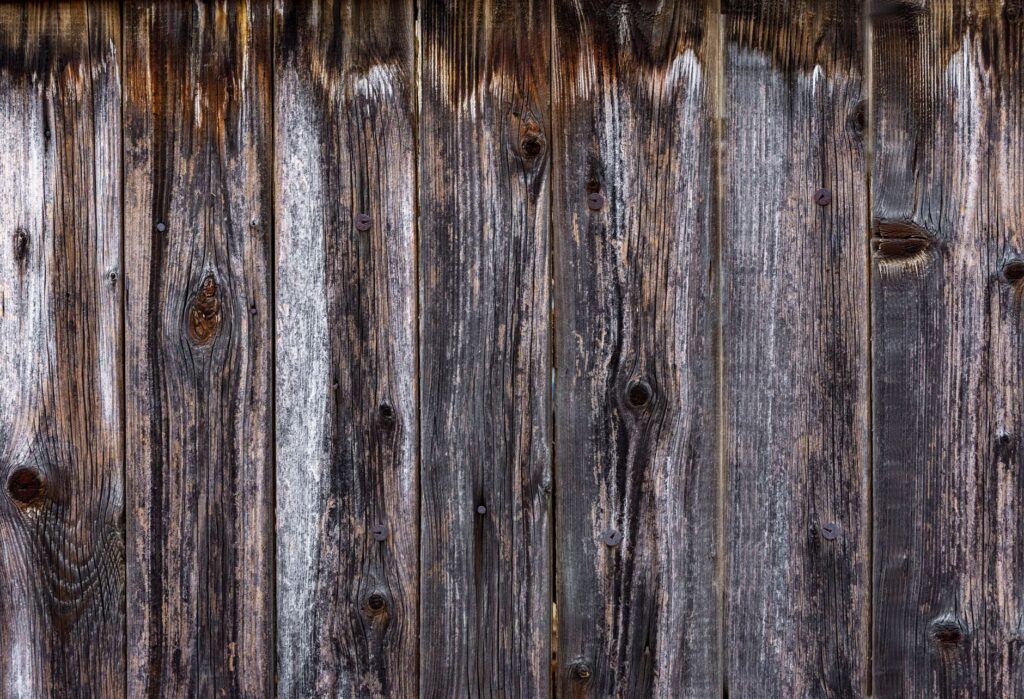
The two removal figures differ because Angi prices a straightforward wood pull-and-haul while HomeGuide prices removal including disposal across all fence types, chain link and concrete-set posts included. If your old posts are set in concrete, budget toward the higher number.
On staining: cedar can be left bare. Its natural color fades under sunlight and UV exposure and turns gray within a few months, which some homeowners prefer. If you want to hold the light brown, an oil-based semi-transparent stain is the usual choice, because it reflects UV and penetrates the wood instead of forming a surface film that later flakes and peels the way water-based finishes can. HomeGuide notes that the most common cause of wood fence failure is not sealing the wood against water damage, and puts resealing intervals for wood fences at every one to two years.
What Changes on Skokie, Evanston, Wilmette, Winnetka and Northbrook Lots
The cost guides above are national. Four local conditions routinely move a North Shore quote, and none of them show up in a per-foot table.
- Corner lots. A corner lot has two street frontages, and most villages treat the second as a front yard for fence purposes, which caps height there and can force a shorter, more open run along that side. That means two fence specifications on one property.
- Alleys. Alley-facing rear yards are common in Skokie, Evanston and the older Chicago blocks. Gate placement, which face of the fence is finished, and setback from the alley edge all get decided here, and a drive gate wide enough for a car prices differently than a walk gate.
- Easements. Utility and drainage easements often run along the rear or side lot line, exactly where a fence wants to go. A fence inside an easement is generally the owner's risk if the utility has to dig, and a solid fence can dam surface water in a drainage easement. Your plat of survey shows them.
- Clay soil. Much of Skokie, Evanston and the surrounding North Shore sits on dense clay that holds water rather than draining it. Clay heaves harder in a freeze-thaw cycle than sandy soil, which is why post depth and proper concrete are worth paying for here.
Fence height limits, permit fees, and corner-lot visibility rules are set separately by each village and by the City of Chicago, and they differ enough that a fence legal in one town is not legal one street over. Before you finalize a design, check the rules for your specific address with your village.
Cedar Fence Cost: FAQ
How much does a cedar fence cost per linear foot in Chicago?
Angi's 2026 data puts cedar at $18.50 to $46.50 per linear foot installed, made up of $8.50 to $16.50 in materials and $10 to $30 in labor. HomeGuide narrows it by style: $35 to $40 per linear foot for a cedar privacy fence and $25 to $35 for cedar picket or split rail. Western red cedar with knot-free boards runs $45 to $90 per linear foot installed.
How much does it cost to fence a typical Chicago backyard in cedar?
A standard residential backyard takes roughly 200 linear feet of fencing. Angi prices that at $3,700 to $9,300 for cedar, averaging about $6,500. HomeGuide puts 200 linear feet at $4,000 to $10,000 for picket and privacy fences up to six feet tall. Gates, old-fence removal, and grading are added separately.
Is cedar more expensive than pine or vinyl?
Cedar sits in the middle. HomeGuide prices a low-grade pine privacy fence at $20 to $45 per linear foot installed against $35 to $40 for cedar, and puts vinyl at $30 to $60 and aluminum at $25 to $75. Pressure-treated pine at $45 to $90 costs more than standard cedar. The gap shows up in service life: basic pine lasts 5 to 10 years, plain cedar 15 to 20, Western red cedar 25 years or more.
How much does a fence gate add?
HomeGuide puts a typical gate at $150 to $500 installed. Angi's cedar guide lists gate installation at $900 to $3,800, which covers wide drive gates and custom cedar gates rather than a single walk gate. The spread is real, so have gates itemized on the estimate instead of folded into the per-foot price.
How deep do fence posts go in the Chicago area?
Deeper than most national guides assume. The Chicago Building Code requires foundations and other permanent supports of buildings and structures to be protected from frost by extending at least 42 inches below final grade. HomeGuide's national baseline treats two-foot cement anchoring as the premium option, well short of the local frost line. Shallow posts are the usual reason a fence line goes crooked after a winter or two.
What does it cost to remove an old fence first?
Angi puts removal at $3 to $7 per linear foot, about $600 to $1,400 for a standard 200-foot fence. HomeGuide, pricing removal including disposal across all fence materials, puts it at $10 to $20 per linear foot. Concrete-set posts and chain link push the figure toward the higher range. Ask whether removal is inside or outside the quoted price.
Do I need to stain a cedar fence, and what does that cost?
You do not have to. Cedar weathers to gray on its own within a few months of sun and UV exposure and still resists rot and insects. If you want to keep the light brown color, an oil-based semi-transparent stain penetrates the wood and reflects UV rather than forming a film that peels. HomeGuide prices staining or painting at $2 to $14 per linear foot and notes that wood fences generally want resealing every one to two years.
Do I need a permit for a cedar fence in the Chicago area?
Usually yes, and the rules change by town. HomeGuide puts a fence permit at $40 to $150 depending on locality; Angi's broader range is $100 to $500. In the City of Chicago, a building permit is not required for a fence no more than 5 feet above the ground measured on both sides that conforms to the Chicago Zoning Ordinance. North Shore villages set their own fee and process, so confirm with yours first.
Get a Cedar Fence Estimate for Your Chicago-Area Yard
Published ranges tell you what the market charges. The number for your yard depends on perimeter, height, style, gates, what is coming out first, and what your village allows on your lot. R & G Almanza Landscape Inc is a family-owned, insured crew that has been installing cedar fencing across Skokie, Evanston, Chicago, and the North Shore since 1999. Before you settle on a style, it is worth reading how cedar, vinyl and aluminum fencing compare for a Chicago yard, since the material sets the cost range you shop inside. Contact us to request an estimate for your property.
Call R & G Almanza Landscape at (847) 869-8584 to talk through your cedar fence project.